Best Practices from European Week of Sport 2025: Building Healthier, More Inclusive Communities Through Blue & Green Exercise
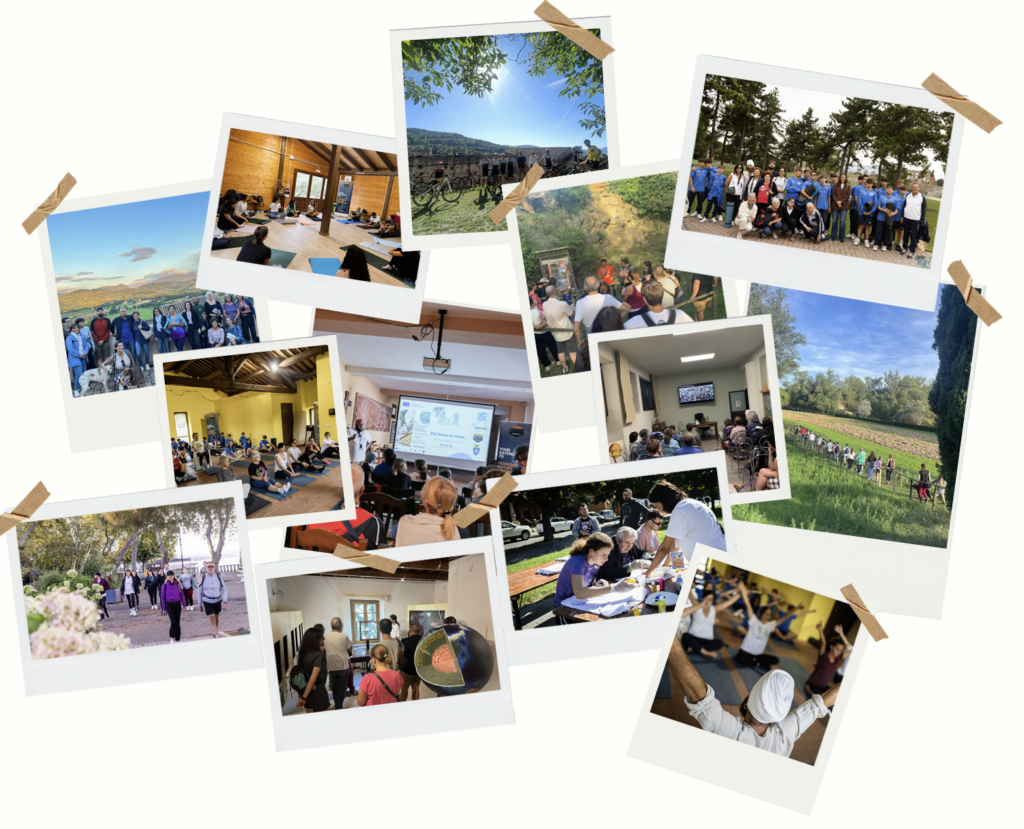
As part of the DEEP BLUE GREEN – Exercise for Well-Being project, partners across Greece, Portugal, Malta, and Italy successfully implemented a wide range of activities during the European Week of Sport 2025, demonstrating how sport, nature, inclusion, and community engagement can work together to promote physical and mental well-being.
These experiences have created a strong foundation of practical knowledge and inspiration for future initiatives.
A Shared Vision Across Europe
The DEEP BLUE GREEN approach combines physical activity with meaningful connection to natural environments, community participation, and holistic well-being. Across all participating countries, activities were designed to be:
- Inclusive and accessible for all ages and abilities
- Connected to nature and outdoor environments
- Focused on enjoyment, participation, and well-being rather than competition
- Supported by strong local partnerships
- Educational, combining physical activity with environmental awareness and mental wellness
The successful implementation of EWOS 2025 proved that sport can be much more than exercise—it can become a tool for inclusion, resilience, sustainability, and social connection.
Greece: Inclusion, Nature & Community in Action
In Greece, ANEMOS developed a highly inclusive model centred around accessibility, community partnerships, and nature-based wellness.
Successful practices included:
- Inclusive beach and outdoor sports activities
- Ecopsychology workshops and wellness seminars
- Adapted activities for seniors, children, and people with disabilities
- Open-water swimming and SUP experiences
- Cultural activities such as traditional movement and creative workshops
A key success factor was the early engagement of community organisations, disability support services, and local stakeholders, ensuring that activities were designed inclusively from the start.
The Greek experience demonstrated how combining physical health, mental well-being, social interaction, and environmental connection creates highly engaging and impactful experiences.
Portugal: Nature as a Living Sports Arena
In Portugal, CIM Médio Tejo implemented a remarkable inter-municipal model that successfully brought communities together across a broad geographic region.
Activities included:
- Canoeing on rivers
- Walking routes through ecological corridors
- Traditional games for all generations
- Gentle fitness and adapted exercise sessions
- Activities for rehabilitation and inclusion groups
Portugal’s success was built on collaboration between municipalities, local authorities, environmental services, and community organisations.
This model showed how natural assets such as rivers, forests, and public outdoor spaces can become powerful environments for physical activity, health promotion, and community connection.
Malta: Creativity, Inclusion & Holistic Well-Being
Malta’s implementation, coordinated by Reġjun Tramuntana, highlighted the importance of creativity and institutional collaboration in expanding participation.
Activities successfully combined:
- Inclusive fitness sessions
- Tai Chi and yoga
- Beach and coastal wellness activities
- Mindfulness and self-care workshops
- Creative arts activities
- Activities for older adults, children, families, and persons with disabilities
The Maltese experience demonstrated that combining movement, creativity, environmental awareness, and emotional well-being can significantly increase engagement, especially among groups who may not traditionally participate in sport.
Italy: Outdoor Adventure, Culture & Active Living
Italy, led by Trekkify, showcased how outdoor movement, cultural heritage, and sustainability can be integrated into inspiring physical activity experiences.
Activities included:
- Trekking and hiking experiences
- Cycling tours
- Yoga and meditation
- Nature interpretation walks
- Environmental workshops
- Cultural visits connected to movement
- Healthy lifestyle awareness sessions
A strong focus was placed on accessibility, stakeholder engagement, and communication.
Italy demonstrated how combining sport with local heritage, education, and sustainability can motivate inactive citizens while strengthening community identity.
What Made These Activities Successful?
Across all countries, several common success factors emerged:
Strong Partnerships
Successful implementation relied on collaboration between municipalities, sport organisations, social services, disability organisations, educational institutions, and community groups.
Inclusive Design
Activities were intentionally adapted for diverse participants, ensuring accessibility for people with physical, sensory, cognitive, and social support needs.
Nature-Based Well-Being
Blue and green environments—coasts, rivers, forests, parks, and outdoor public spaces—significantly enhanced motivation, participation, and emotional well-being.
Holistic Health Approach
The most impactful activities addressed:
- Physical activity
- Mental well-being
- Social inclusion
- Environmental awareness
- Personal empowerment
Effective Communication
Consistent branding, social media storytelling, local promotion, and visual documentation helped increase visibility, engagement, and sustainability.
Looking Ahead
The experiences of European Week of Sport 2025 provide a practical roadmap for future DEEP BLUE GREEN initiatives and for organisations seeking to create meaningful, inclusive, and sustainable sport programmes.
The message is clear:
When sport is inclusive, nature-connected, community-driven, and designed with well-being at its core, it becomes a powerful catalyst for healthier societies.
Funded by the European Union. Views and opinions expressed are those of the author(s) only and do not necessarily reflect those of the European Union or the European Education and Culture Executive Agency (EACEA). Neither the European Union nor EACEA can be held responsible for them.